

Smelly feet and excessive sweating are common problems. Wearing shoes for extended periods can lead to stuffy, smelly feet and a loss of confidence. Many try sprays or powders, but the problem persists. There are several ways to address smelly and sweaty feet, and one method gaining attention is Botox injections in the soles of the feet. This article will explore how Botox injections can reduce sweating and odor, and who it's suitable for.
Main content
- Smelly feet, excessive sweating, and easily wet feet can be caused by...Excessive sweating, the accumulation of bacteria, emotions, and stress, among others, can all contribute to this.
- Botox injections can actually reduce foot sweating and odor. Because Botox inhibits the function of the sweat glands, reducing sweating results in drier and more comfortable feet, as well as reducing dampness and foot odor.
- I got Botox injections in my feet and now I can walk. But walk softly and avoid heavy footsteps to prevent the medication from shifting.
Smelly feet, excessive sweating, and easily wet feet can be caused by...
Excessive foot sweating is a common problem caused by elevated body temperature resulting from strenuous outdoor activities and stress. This sweating leads to dampness and odor. Causes of smelly feet, excessive sweating, and easily wet feet include:
- Sweating profusely It is a condition where the nervous system sends signals to...sweat glands Overexertion, even in cool weather, leads to dampness. Combined with accumulated bacteria, this results in smelly feet.
- Emotions and stress. When you experience excitement, nervousness, or stress, the sympathetic nervous system is stimulated, causing increased sweating in the palms and soles of your feet, leading to dampness and odor.
- Accumulation of bacteria Sweat that accumulates in socks or shoes leads to the breeding of bacteria and unpleasant odors.
- Putting on shoes and socks. Wearing shoes made from materials that don't breathe well, such as faux leather, plastic, or synthetic socks, will trap heat and sweat.
- Hormones and diet. As we age, hormonal changes occur, and consuming spicy foods, foods containing strong spices, or caffeine can stimulate sweating.
- Inadequate foot hygiene. Not washing your feet properly, not drying your feet thoroughly, and wearing the same socks or socks repeatedly can all lead to foot odor.
- Skin Disease Or, having wounds on the feet, or developing microbial infections caused by skin diseases such as athlete's foot or foot warts, can cause a strong odor.
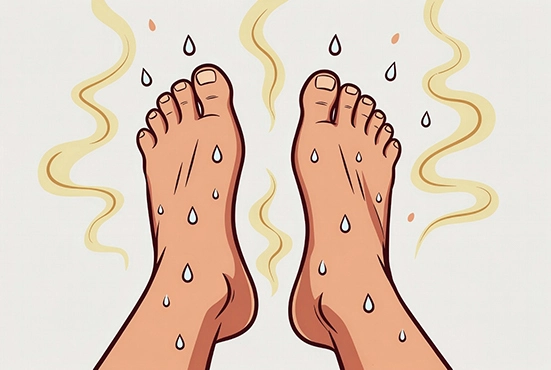
How do Botox injections in the soles of the feet reduce sweating and odor?
Botox injections in the soles of the feet reduce sweating and odor. This treatment involves injecting botulinum toxin type A into the soles of the feet to reduce abnormal sweating. Botox works by inhibiting the function of a neurotransmitter called acetylcholine.AcetylcholineSweat glands transmit signals from nerves to the sweat glands. When these nerve signals are blocked, the sweat glands function less. Therefore, reduced sweating results in decreased moisture and bacterial buildup, leading to less foot odor and a more comfortable feeling on the feet. It also helps reduce symptoms that may be associated with excessive sweating, such as fungal infections or skin ulcers.
Results will begin to appear within 3-7 days after injection, with the most noticeable results within 14 days. The effects typically last 4-12 months, depending on the individual, and will reduce sweating by more than 80-90% in the injected area.
How to care for your feet after Botox injection.
Proper self-care after Botox injections will ensure the medication works effectively, achieving the desired results, minimizing side effects, and prolonging the effects.
Here's how to care for your feet after Botox injections:
- Avoid massaging, pressing, squeezing, or touching the soles of your feet for at least two days, as this may cause the medication to spread to other foot muscles, resulting in temporary foot fatigue or difficulty walking.
- Avoid strenuous walking or standing for at least the first 24 hours after the injection to reduce pressure on the injection site.
- Avoid strenuous exercise, such as running or activities that heavily involve the feet, for at least 1-2 days, as this increases blood circulation and can cause the Botox to break down more quickly or spread to other areas.
- Avoid heat, such as soaking your feet in warm water, saunas, and steam rooms, for 2 days, as heat can accelerate the degradation of Botox.
- Avoid wearing tight socks or shoes. Wear sandals or comfortable shoes for the first 24 hours to prevent pressure points and heat buildup on the soles of your feet.
- Maintaining cleanliness, such as washing your feet with mild soap and drying them thoroughly, especially between your toes, can help prevent infection.
- Avoid using antiperspirants for 1-2 days after the injection.
Is it true that Botox injections can reduce foot sweating and odor?
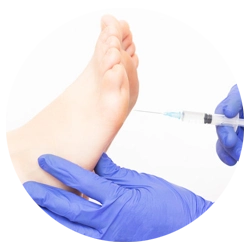
Botox injections can actually reduce sweating and foot odor. Botox works by inhibiting the function of the sweat glands, reducing sweating and resulting in drier, more comfortable feet. It also reduces moisture and foot odor. However, results may vary from person to person. If you experience excessive sweating and odor in other areas, Botox can be injected to reduce body odor in those areas as well.
Can I walk after getting Botox injections in my feet?
After Botox injections, you can walk on your feet, but walk softly and avoid heavy foot strikes. Alternatively, avoid strenuous exercise for 24-48 hours to prevent Botox from spreading to other areas or breaking down faster than normal, as well as to reduce the risk of bruising.