

Fillers are...SurgeryMany people do this to make their face look fuller and more beautiful, but sometimes it can cause problems. Filler leakage It can distort or make your facial features look unnatural. Many people are concerned about this condition. Is it dangerous? And how can we prevent it from happening? In reality, filler migration usually occurs due to incorrect injection site, using too much filler, or choosing a substandard clinic. Therefore, safety is even more important. This article will explain in simple terms what filler migration is, how to spot it, and how to reduce the risk of this problem.
Main content
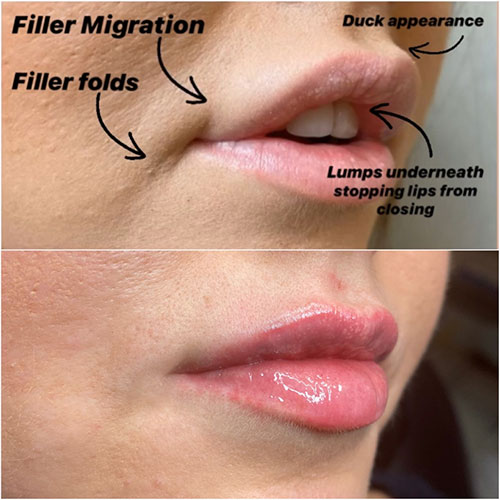
- Filler leakage symptoms Filler can migrate and clump together, forming bumps, bulges, and waves under the skin. In severe cases, there may be redness and swelling, pain at the injection site, small pus-filled bumps or even pus formation, and the face may feel warmer than usual. Skin color may also change.
- Filler leakage can be caused by several factors. For example, substandard filler injections, injections by inexperienced doctors, injections in inappropriate locations, choosing the wrong filler for the problem, complications, and inadequate post-injection care.
- Filler leakage is considered dangerous. However, it is not life-threatening if treated promptly. But in some cases, if treatment is not delayed, it can lead to serious side effects such as compression of blood vessels and tissues, inflammation, infection, and possibly nerve problems.
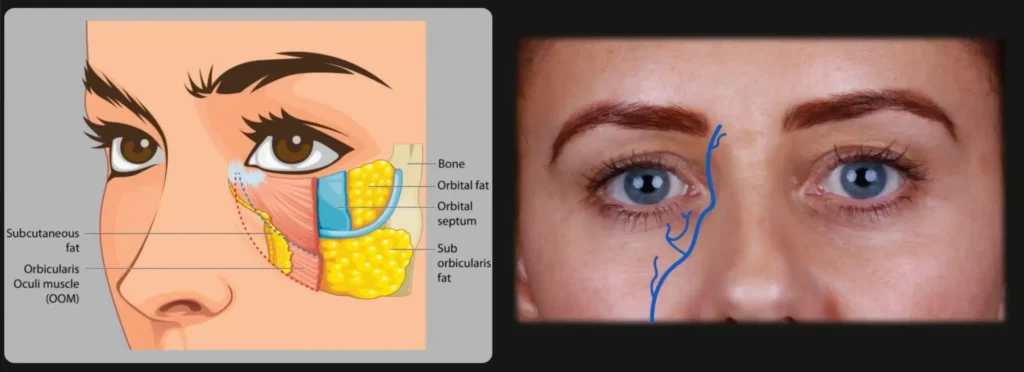
- Fillers cannot flow directly into the eyes. However, it is possible for filler to be injected in the wrong location, resulting in a blockage of blood vessels supplying the eye, which can lead to permanent blindness, especially in areas with numerous blood vessels connected to the eye.
- How to prevent filler from migrating. For example, it's important to choose a reputable clinic, have the injections administered by a doctor with specialized experience in filler injections, select a filler that is suitable for the patient's problem or needs, and pay attention to the pressure and touch of the injection site.
Filler migration is...
Filler migration is a condition where the injected filler moves or spreads from its original injection site, resulting in unsatisfactory or undesirable treatment outcomes. Furthermore, it can cause facial abnormalities such as filler clumping, swelling, uneven skin texture, or facial disfigurement. These side effects may result from injecting substandard or counterfeit fillers. If these symptoms are not treated promptly, they can lead to serious and dangerous complications.
What are the symptoms of filler migration?
Filler migration often occurs when substandard filler is injected. The filler spreads from the injection site to other areas, resulting in facial disfigurement or the filler accumulating into lumps, causing swelling and unevenness under the skin. In severe cases, there may be increasing redness and swelling, pain at the injection site, small pustules, or even pus formation. Additionally, the skin in the area may feel warmer than usual, and skin discoloration may change, such as becoming paler, redder, or turning bluish-gray, which could be a sign of a blood clot.
What causes filler to migrate?
Filler migration can cause facial deformities or an unnatural appearance. Furthermore, it may lead to serious side effects such as inflammation or infection. Filler migration can occur due to several reasons, including:
- Substandard filler injections. As is known, genuine fillers contain hyaluronic acid (HA), a substance that is naturally biodegradable. Counterfeit fillers, on the other hand, often contain synthetic substances that are not biodegradable, such as liquid silicone, vegetable oil, paraffin, or bioplastics. Over time, the body may react against these foreign substances, leading to chronic inflammation or the accumulation of lumps in nearby areas, resulting in significant and permanent facial disfigurement.
- Injecting fillers with an inexperienced doctor. Filler injections should be performed by a physician with a thorough understanding of anatomy and proper surgical training. Injecting by an unqualified physician may result in injecting too superficially into the skin. This can cause the filler to be pulled by the muscles or pressured by the skin above, leading to mass formation or spreading to other areas.
- Injecting in an inappropriate location. Injecting fillers into areas with frequent muscle movement, such as around the mouth, nasolabial folds, and forehead, may cause the filler to migrate more easily.
- Choosing a filler that is not suitable for the injection site. As is known, there are many brands of fillers, each with different properties, ingredients, and textures. Therefore, choosing a filler that is not suitable for the problem or need may lead to problems such as filler migration or spreading.
- The occurrence of complications. Infections caused by contamination or long-term allergic reactions to fillers can lead to inflammation, swelling, and redness, stimulating the filler and causing it to migrate and form lumps.
- Self-care after vaccination. After filler injection, avoid touching, pressing, or handling the injection site, as this may cause the filler to shift to another location.
Is filler migration dangerous?
Filler migration is considered dangerous, with the level of danger measured by the amount of flow, the injection site, the type of filler, and the doctor's experience. If left untreated, it can lead to serious side effects such as compression of blood vessels and tissues, causing poor blood circulation, resulting in bruising, swelling, or tissue necrosis. It can also cause inflammation or infection and nerve problems; if the filler migrates and presses on a nerve, it can cause numbness, pain, or weakness in that area. Finally, if the filler migrates to vital organs, such as around the eyes or areas with blood vessels, it can risk vision problems or lead to serious complications.
Can filler get into the eyes?
Fillers cannot flow directly into the eyes. However, it is possible that filler may be injected in the wrong location or through an incorrect injection technique, causing the filler to block blood vessels supplying the eye, which can lead to permanent blindness. This is especially true in areas with a large number of important blood vessels connected to the eyes, such as the temples, forehead, and nasolabial folds, which are high-risk areas.
How to prevent filler from migrating.
Filler migration can cause facial deformities, uneven skin texture, and in some cases, serious side effects such as inflammation, infection, and in some cases, even blindness. We can prevent filler migration using these methods.
- Those receiving vaccinations should choose a clinic with a clearly verifiable 11-digit license number.
- Filler injections should be administered by a licensed physician. Furthermore, the physician should have a good understanding of anatomy and experience specifically in filler injections.
- Those receiving injections should choose a clinic that uses standard equipment or authentic products, such as genuine fillers, to reduce the risk of allergic reactions and serious side effects.
- Medical filler injections should include a detailed explanation before the procedure, thorough post-procedure care instructions, and follow-up monitoring by the medical team.
- The person performing the injection should avoid touching, handling, and pressing the injection site, as this can cause the filler to shift.
- The choice of filler should be appropriate for the problem or needs of the patient, such as fillers with a suitable viscosity that do not easily flow or migrate.
- Filler injections should not be given in large amounts in the same location because it may prevent the filler from establishing itself and increase the risk of shifting.