
Oily skin and enlarged pores are bothersome for many people, especially those whose makeup doesn't stay on, or who experience oily skin throughout the day, requiring frequent blotting. Lately, many people have become interested in...Botox for reducing oily skin."It's claimed that Botox can reduce oiliness, control shine, and tighten pores, but does it really reduce oily skin and enlarged pores? Who is it suitable for, and are there ways to prevent oily skin and enlarged pores from returning? This article provides simple and straightforward answers."

Main content
- Oily face This condition is caused by the sebaceous glands under the skin producing excessive oil. It can also be caused by several other factors such as genetics, age, hormones, and diet.
- Botox can reduce oily skin and minimize enlarged pores. Suitable for individuals with oily skin, those with recurring acne problems, and those who desire smoother skin.
- Botox can reduce oily skin. Because Botox reduces the activity of the sebaceous glands, less oil is produced, resulting in less oily skin and tighter pores.
- How to prevent and control facial oiliness. For example, choosing healthy foods, drinking enough water, choosing the right facial cleanser, and selecting products suitable for your skin type.
What causes oily skin?

Oily skin is often caused by the sebaceous glands (Sebaceous GlandsUnder the skin, excessive sebum is produced. While sebum helps protect and maintain skin moisture, too much of it can lead to oily skin, enlarged pores, clogged pores, and acne.
Oily skin is caused by these factors.
- heredity Certain traits are passed down from parents to children. Therefore, if parents have large pores or oily skin, there is a high probability that their children will also have oily skin.
- age During adolescence, we tend to have oily skin, but as we age, our bodies produce less collagen and oil, resulting in drier skin and wrinkles in older individuals.
- Hormones: When we are stressed, our bodies release a hormone called corticotropin-releasing hormone. This hormone binds to the sebaceous glands in the hair follicles on our face, causing them to produce more oil. Excess oil on the face can lead to clogged pores and acne.
- Weather conditions: Hot and humid weather stimulates the sebaceous glands to produce more oil in order to dissipate heat and maintain skin balance.
- Washing your face too often. This disrupts the skin's balance, causing the body to produce more oil than normal to compensate. Proper cleansing should not exceed twice a day.
- Using skincare products that are unsuitable for your skin. Those with oily skin should avoid oil-based products or heavy-textured moisturizers.
- Not using skincare products. When facial skin is dehydrated, it starts producing oil to compensate and retain moisture, making the face look oily but dry inside.
- Eating foods high in sugar. For example, sugar, white rice, or sweets cause the body to release growth hormones, resulting in increased oil production by the sebaceous glands.
- Wearing a face mask for a long time. This will increase the temperature and humidity under the mask, a condition that the sebaceous glands thrive in, resulting in oily skin and clogged pores.
- Using waterproof or overly long-lasting cosmetics. Some ingredients are designed to adhere tightly to the skin. If not completely washed off, they can build up and disrupt the skin's natural oil production, resulting in enlarged pores and an oilier appearance.
What is Botox injection for pores?
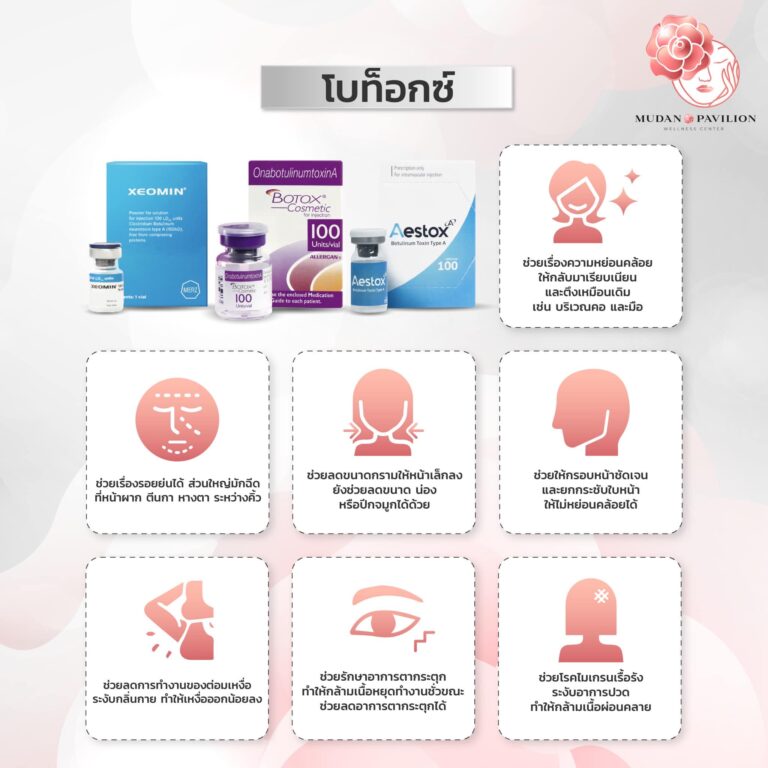
Botox injections for enlarged pores involve injecting Botulinum Toxin Type A into the muscles and sebaceous glands in areas with enlarged pores. After injection, Botox inhibits the sebaceous glands, reducing oil production. It also causes the small muscles attached to the pores to relax and contract, resulting in smoother and more refined skin.
Botox injections for pores will begin to show results in terms of reduced oiliness within 3-7 days, with noticeable results within 14 days, and the results will last approximately 3-6 months.
Botox for reducing oily skin and minimizing enlarged pores: Who is it suitable for?
Botox for oily skin and reduced pores works by inhibiting the sebaceous glands, reducing oil production, and relaxing and tightening the small muscles attached to the pores. This results in smoother skin and reduced oiliness. Therefore, Botox injections are suitable for individuals with very oily skin, recurring acne, enlarged pores, those who want smoother skin, and those whose makeup doesn't stay on.
Is it true that Botox injections can reduce oily skin?

Botox injections can reduce oily skin. After injection, Botox reduces the activity of the sebaceous glands, resulting in less oil production, thus reducing facial oiliness and tightening pores. The effects of Botox for oily skin will begin to be visible within 1 week and last approximately 3-6 months.
How to prevent and control facial oiliness.
Excess facial oil can have several negative consequences, such as clogged pores, recurring acne, and makeup not lasting. Therefore, we can prevent and control facial oil using these methods.
Choosing to eat healthy foods.
Foods like whole grains, vitamin A, vitamin B2, and fruits and vegetables can help reduce oil production on the face. In addition, you should avoid oily foods, fried foods, spicy foods, and alcoholic beverages, as these cause blood vessels to dilate, leading to excessive sweating and dehydration.
Drinking enough water
Water is an essential component of the body. It helps reduce facial oiliness, keeps the skin hydrated, and helps flush out waste from the body. Therefore, we should drink at least 7-8 glasses of water a day.
Choosing the right facial cleanser.
Cleansing products should contain salicylic acid or glycolic acid, which helps dissolve excess oil that can clog pores and prevent acne.
Choosing products that are suitable for your skin type.
Choose oil-free products or oils that won't clog pores to prevent acne and excess oil on your face.
Avoiding sunlight
Sunlight is a major culprit in damaging the skin. Regular sun exposure dries out the skin and disrupts its balance, leading to excessive oil production. Therefore, always apply sunscreen with an SPF 30++ and an oil-free formula before sun exposure to prevent oily skin and other skin problems.
Not washing your face too often.
Washing your face more than twice a day can damage the skin's protective barrier and essential natural oils. Proper cleansing involves using a facial cleanser containing salicylic acid to control oil production, and washing with warm water to open pores followed by cold water to tighten them.
Using oil blotting sheets.
Using blotting sheets when your face feels oily will help absorb excess oil without irritating your skin. However, you shouldn't use them too often, as this can dry out your skin and cause acne.
Avoid touching your face.
Touching your face regularly with your hands allows bacteria and oils from your hands to penetrate the skin, causing clogged pores.
Skin scrubbing
Facial scrubbing should only be done 1-2 times a week. This helps remove dead skin cells and accumulated dirt from pores, but you shouldn't scrub your skin too often.
Using a mask to help absorb excess oil.
For example, a clay mask. The clay helps absorb excess oil from the face, cleanses pores, and leaves the face looking fresh and less oily.