

Weight-loss pens are trending everywhere right now. You see them all over social media. Some people say they've actually lost weight and seen noticeable improvement in their figure, but there are also many warnings about side effects, leaving many wondering if they're really worth it.Are weight-loss pens dangerous? Does using it risk liver or kidney damage, or have any long-term side effects? Today, we'll hear a doctor's perspective directly, without any reservations or ambiguity, speaking frankly about whether it's truly dangerous or just an exaggerated drama.
Main Idea
- Weight loss pens are subcutaneous injections that mimic the hormones GLP-1 and GIP, signaling the brain to feel full for longer, reducing appetite, delaying digestion in the stomach, and stabilizing blood sugar levels. This effectively helps control and reduce weight.
- This weight-loss pen promotes satiety, reduces snacking, and safely improves blood health by mimicking the hormone GLP-1. It's suitable for individuals with a BMI ≥ 30 (or ≥ 27 combined with chronic illnesses), those resistant to weight loss, those who have experienced yo-yo dieting, or those with unhealthy eating habits who want to lose weight safely.
- Weight loss pens are not dangerous if used correctly under medical supervision, but they can cause side effects and carry risks.
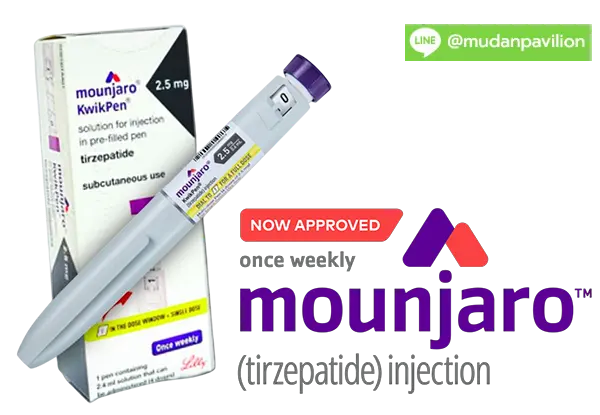
What is a weight-loss pen?
A weight loss injection pen is a medical innovation that provides a medication for injection into the subcutaneous fat layer. The device is designed to resemble a large pen and comes with a very small needle, used for weight control and reduction. Three main brands of weight loss injection pens are popular and approved in Thailand: MounjaroWegovy and Saxenda
Regarding the medications used. GLP-1 (Glucagon-Like Peptide-1) is a hormone naturally secreted in the small intestine after eating. In medicine, this hormone, or its mimics, is used to develop medications for controlling blood sugar levels and as highly effective weight-loss drugs. GLP-1 is produced by K-cells in the upper part of the small intestine and is released when the body consumes food, especially fats and sugars.
How a weight-loss pen works. It functions as a GLP-1 Receptor Agonist, a substance that binds to the GLP-1 (Glucagon-Like Peptide-1) hormone receptor. GLP-1 is a hormone released in the small intestine after eating to signal the body that it is full. The drug works through three main mechanisms in the body, as follows:
- Sending signals directly to the brain. After injection, the drug binds to receptors in the hypothalamus in the brain, which controls hunger and satiety. This results in feeling full for longer, reducing hunger pangs, curbing appetite, and decreasing snacking.
- Slow down the contractions of the stomach. The medication works by telling the stomach to contract more slowly, causing food to remain in the stomach longer than usual, resulting in a feeling of fullness and allowing you to eat for a longer period.
- Balance blood sugar and insulin levels. The medication stimulates the pancreas to release insulin only when blood sugar is high, in order to utilize the sugar. It also inhibits the release of glucagon, a hormone that produces more sugar, allowing the body to control blood sugar levels more stably, preventing fluctuations that can cause dizziness or excessive hunger.
Disadvantages of a weight-loss pen.
Weight loss pens are injectable medications that mimic hormones naturally secreted in the small intestine after eating. These help you feel full for longer, reduce appetite, and delay gastric contractions. While weight loss pens are medically recognized as highly effective, they still...One drawback is that you may eat less food very quickly. The body will utilize fat and muscle if there isn't enough protein intake and muscle-building exercises. This can lead to a slowed metabolism, resulting in muscle atrophy and loss of muscle mass. Furthermore, consistently reducing food intake over a long period can lead to deficiencies in essential proteins, vitamins, and minerals, resulting in malnutrition and a risk of yo-yo dieting after stopping the medication. Because the injected drug doesn't permanently alter eating habits, weight could rebound to the original level or even exceed it if consumption returns to normal after stopping the injections. Finally, there can be financial consequences due to the high cost of the medication and the need for continuous use over several months to maintain results.
Why and who should use weight-loss pens?
Weight loss pens work by effectively controlling hunger because the medication mimics the hormone GLP-1, which signals the brain to feel fuller faster and delays gastric contractions. This results in a longer feeling of fullness and reduces cravings. In addition, it lowers the risk of chronic diseases, helps control blood sugar levels, reduces fat levels, and lowers blood pressure, which has long-term benefits for the cardiovascular system. Finally, weight loss pens are safer than traditional weight loss medications because the medication used is FDA-approved specifically for weight loss.
Weight-loss pens are therefore suitable for individuals who have...Body Mass Index (BMI) Individuals with a blood sugar level of ≥ 30 or ≥ 27, and chronic diseases such as diabetes, hypertension, and high cholesterol, etc.; individuals with localized fat accumulation, such as in the abdomen, upper arms, and legs; individuals who are resistant to weight loss despite diet and exercise control and find it difficult to lose weight; individuals who experience the yo-yo effect after other weight loss methods; individuals who want to lose weight safely without harming their health; and individuals who have abnormally large food intake or a habit of snacking excessively.

In summary, are weight-loss pens dangerous?
Weight loss pens are not dangerous if used correctly under the supervision of a doctor. However, side effects and risks can occur if the medication is not administered correctly or if a medical evaluation is not performed to determine the appropriate dosage or if a physical examination is not conducted before starting. Furthermore, if the medication is stopped and eating habits are not changed, weight can be regained. In addition, purchasing medication from substandard sources can also be dangerous.