

want to have youthful face But you don't know what to get? Many people walk into a clinic saying, "I want my face to look younger," but there's no one-size-fits-all formula for achieving that result. Everyone has different facial structures and concerns. Some need fillers, some need Botox, and some may need a combination of both. Knowing beforehand will help you make a better decision and achieve the desired results.
Main Idea
- Why do people want to look young? Because we don't want to look old, as nowadays appearance affects self-confidence, career, and health.
- Injecting fillers can indeed make the face look younger. Fillers work by filling in areas that have sagged with age, but they must be injected in the right amount and into the correct skin layer.
- Injecting collagen-stimulating substances (biostimulators) can indeed make the face look younger. After injection, the substance stimulates fibroblasts to produce new collagen and elastin under the skin.
- Botox injections can indeed make your face look younger. Botox works by inhibiting the function of neurotransmitters, which help transmit signals between nerve cells and muscles. This temporarily stops muscle contractions in the injected area, causing them to relax.
What does "young face" and "old face" mean?
Some people may not know what a "youthful face" or "aging face" means, or what their characteristics are. Therefore, before injecting any substances into the face, let's understand this first. A youthful face refers to a person whose face ages more slowly than normal, or whose facial proportions make them appear younger than their actual age. A youthful face typically has plump skin, chubby cheeks, a prominent forehead, a short or rounded chin, and large, round eyes. The facial proportions generally resemble those of a child.
Premature aging refers to a person whose face appears older than their actual age, or who looks their age but leans toward adulthood. This is often caused by a loss of collagen and skin elasticity. Aging skin develops deep wrinkles, particularly around the cheeks, tear troughs, and eyes. The skin begins to sag due to gravity, and the facial fat layer atrophies or shifts out of position, resulting in sunken cheeks or deep-set eyes.
Why do people want to look young?
Why do people want to look young? Because we don't want to look old. Nowadays, appearance significantly impacts self-confidence. Seeing ourselves looking radiant and youthful in the mirror often boosts self-esteem and increases confidence in conversations, meetings, and social interactions. It also enhances career opportunities. In some fields, a bright, energetic, and youthful image is perceived as reflecting a strong sense of energy, creativity, and readiness for work. Therefore, many strive to maintain their youthful appearance for career advantages. Furthermore, a fuller complexion, smooth skin, and a younger appearance suggest good health and well-being.

What are some things that make your face look older or less youthful?
Looking older or less youthful indicates severe skin deprivation and skin aging. Symptoms include dryness, dehydration, tightness, roughness, and uneven texture; dark circles under the eyes; wrinkles all over the face; enlarged pores; freckles, age spots, and dark spots; and lips that lack firmness and fullness. The causes of an aged appearance include:
- Heredity: It determines the structure of bones and skin. Therefore, if people in the family have skin aging or premature skin aging, their children may also have a higher chance of aging prematurely.
- Hormones: As we age, our bodies produce less hormones, especially growth hormones. This leads to hormonal imbalances, affecting skin regeneration and overall cell health, causing premature aging of the face even at a young age.
- Changes in facial fat. Normally, our faces have natural fat deposits that support and give the face a full appearance. Over time, these fat deposits in the cheek area atrophy and sag. The pressure from this sagging fat causes the nasolabial folds to appear deeper and thicker.
- Facial bone collapse As we age, the orbital bone and upper jawbone naturally thin or resorb. Therefore, as the bone base that once supported the tissues and skin collapses, the skin on top also sags, resulting in deep grooves or sunken areas beside the nose.
- Inflammation within the body Inflammation is the body's natural defense mechanism, but if left untreated and chronic, it can have long-term negative effects on the skin. It can damage collagen and elastin beneath the skin and stimulate enzymes that break down skin structure, leading to sagging, wrinkles, and a premature loss of skin elasticity.
- sunlight Sunlight is a major culprit in damaging the skin because it contains UV rays that destroy collagen and elastin in the dermis. Blue light, emitted from prolonged computer use or mobile phone screen time, also contributes to premature skin aging, a more aggressive appearance, and an increased risk of freckles and melasma.
- Stress and insufficient rest. When people experience stress or don't get enough rest, their bodies release more cortisol, or the stress hormone. This hormone directly damages collagen and elastin in the skin, resulting in a loss of elasticity, a tired appearance, and the appearance of fine lines and wrinkles.
- Regular facial expressions For example, smiling, laughing, or frowning constantly uses the muscles that pull and tug at the corners of the mouth and cheeks. It's like a piece of paper being repeatedly folded; over time, these temporary folds become permanent wrinkles deeply embedded in the skin.
- Air pollution For example, toxins, dust and toxic gases cause the skin to lose its elasticity, become dull, have dark spots and look prematurely old because dust particles can penetrate the skin, causing changes in the skin.
- Insufficient skin care. Not using skincare products or sunscreen may cause wrinkles around the nasolabial folds to appear earlier than usual.
- Smoking and drinking alcohol Cigarettes cause blood vessels to constrict, reducing oxygen flow to the skin, while alcohol dehydrates the skin.
- Insufficient water intake Water is essential for the body. When we drink too little water, skin cells become dehydrated, causing the skin to look thin and wrinkled.
- Make-up If you don't completely remove makeup, it will clog your pores and make your skin look dull.
- Regularly consuming sweets or excessive amounts of carbohydrates. This results in high blood sugar levels, leading to glycation and the formation of AGEs (Advanced Glycation End-Products) that enter skin cells, causing them to deteriorate faster than normal.
Does injecting fillers make you look younger? Is it true?
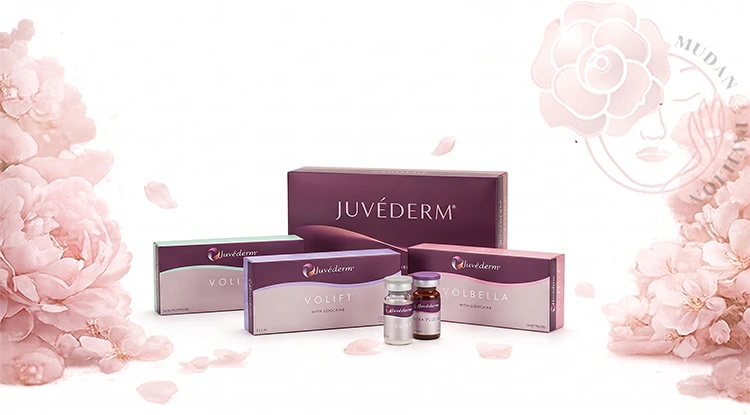
Filler injection Fillers can indeed help make your face look younger. They work by filling in areas that have sagged with age, but it requires the right amount and injection into the correct skin layer. A naturally youthful face is achieved by injecting firm fillers into the deeper layers near the bone to lift and support sagging skin, making it tighter and firmer. It also fills in areas that have atrophied, such as under the eyes or temples, to add fullness and dimension to the face. This is different from injecting too much filler, which can make the face look round, stiff, and unnatural, potentially making you look older. Therefore, the right amount of filler should be flexible and move naturally with the muscles, resulting in a younger and softer facial appearance, whether the face is expressionless or smiling.
Does injecting collagen-stimulating substances (biostimulators) really make you look younger?
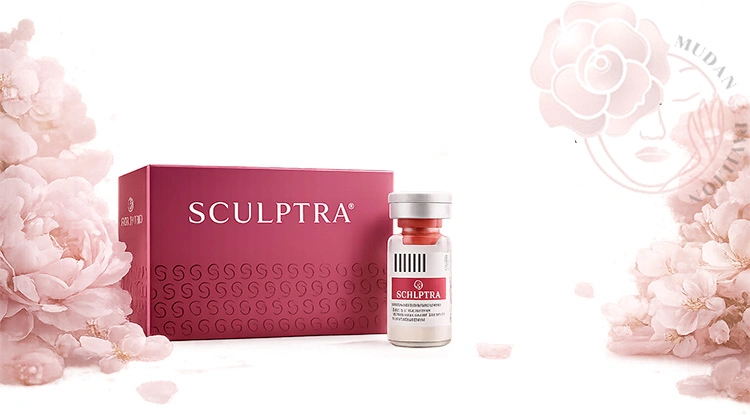
Injecting collagen-stimulating substances (biostimulators) It can truly make your face look younger. The mechanism of action differs from fillers in that it doesn't immediately fill deep wrinkles. Instead, it stimulates fibroblasts to produce new collagen and elastin beneath the skin. This results in firmer, more elastic skin and a natural reduction of wrinkles. Currently, there are three popular groups of collagen-stimulating agents: PLLA focuses on lifting and tightening the deep skin structure, suitable for addressing sunken cheeks; PLLA + HA helps hydrate the skin, tighten pores, and reduce fine wrinkles; and CaHA focuses on immediate facial contouring. However, it's important to know that collagen-stimulating agents may not show immediate results; noticeable effects begin to appear within 1-3 months.
Does injecting Botox really make you look younger?
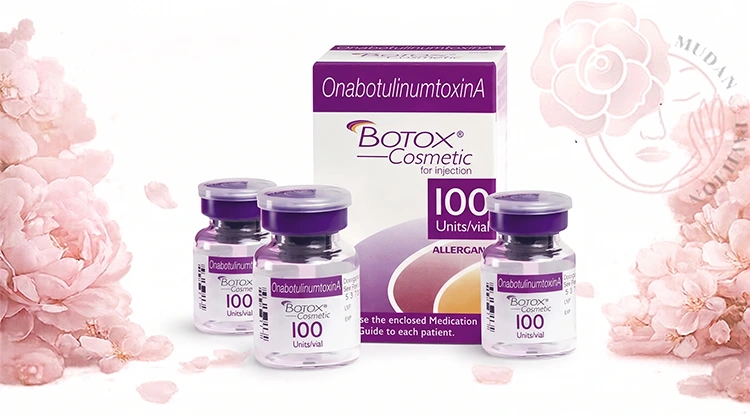
Botox injection Botox can truly make your face look younger. It works by inhibiting the function of neurotransmitters, which help transmit signals between nerve cells and muscles. This temporarily stops and relaxes the muscles in the injected area, resulting in smoother skin and preventing recurring folds. It also helps reduce wrinkles caused by facial expressions, such as crow's feet, forehead wrinkles, and frown lines. Furthermore, it can reduce the size of the jaw muscles for a slimmer, softer face and tighten the facial contours. However, Botox has limitations: it cannot permanently correct deep wrinkles when the face is still, and the results last approximately 4-6 months. If too much medication is used or the injection is in the wrong location, it may result in a stiff, unnatural facial appearance.