

Weak eye muscles (Ptosis) It is a condition that causes the eyelids to droop or the eyes to not open fully, resulting in the eyes looking sleepy, tired or uneven, which some people may experience. One side It makes the face look unbalanced and lacks confidence. There are many causes of this condition, including genetics, aging, or even overusing the eyes. Many people may not know that What causes weak eye muscles? And how can it be fixed? This article will introduce you to the symptoms, causes, and treatment methods, both non-surgical and surgical, to help your eyes become bright and charming again.
- What are the symptoms of weak eye muscles?
- What are the effects of weak eye muscles?
- How to treat and prevent weak eye muscles?
- Weak eye muscles, where is the best place to get treatment?
- Weak eye muscles. Is this a dangerous symptom?
What are the symptoms of weak eye muscles?
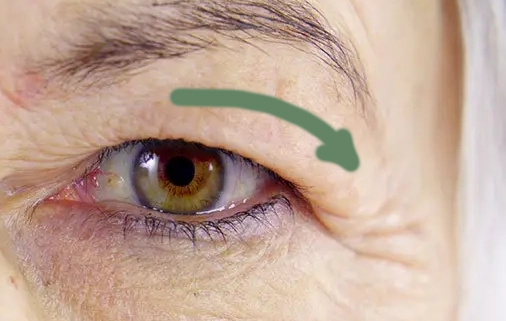
As you know, weak eye muscles (ptosis) are caused by abnormalities in the muscles that lift the eyelids or the nervous system that controls the muscles. Weak eye muscles are characterized by the upper eyelid drooping more than normal, which may cause the pupil to partially cover the pupil, resulting in a constant tired look, making the face look sleepy, and making the eyes appear uneven.
Weak eye muscles. Most common symptoms are as follows:
- Deeper eye sockets than normal For patients with weak eye muscles, the eye sockets will be deeper than normal. This can be observed from the deep grooves above the eyelids. Deep eye sockets are mostly found in older people and patients with weak eye muscles. It causes the face to look worn out, the eyes to look sunken, and makes the person look older than their age.
- Blurred vision Drooping eyelids can partially obscure the eye, resulting in blurred vision, narrowed vision, and possibly causing eye discomfort.
- Inability to open eyes When there is weakness in the eye muscles, the muscles that help lift the eyelids will exert less force to open the eyes than normal. This results in inability to fully open the eyes, making the eyes appear sleepy and causing the eyes to strain when looking. In cases where the condition is only on one side, the eyes will appear uneven, with one side growing normally while the other is small.
- Regular eyebrow raising For some patients, the forehead muscles may be used to lift the eyebrows or tilt the face to improve vision, which may cause pain in the forehead area.
- Frequent eye rubbing When the eye muscles are weak, it causes droopy eyes, droopy eyelids, folded eyelids, and irritation in the eye area, leading to frequent eye rubbing.
- Occurrence of vision problems Such as lazy eye, astigmatism and double vision, especially when using the eyes for a long time.
What are the effects of weak eye muscles?
| Visual aspect | Because the eyelid droops, it can cause obstruction, resulting in narrowed or unclear vision. In addition, the pressure of the drooping eyelid can cause the shape of the eye to change, resulting in astigmatism. In the case of children, if the eyelid droops too much, it can cause lazy eye. |
| Health | Patients with weak eye muscles often raise their eyebrows, lift their eyebrows, or look up to improve vision and help open their eyes. Doing this regularly or for a long time can cause headaches and aches and pains in the forehead, as well as permanent forehead wrinkles. |
| Personality and confidence in appearance | People with weak eye muscles will have droopy eyes, similar to someone who is sleepy all the time. The eyes will look tired, dull, and uneven. This causes the person to lose confidence and not dare to socialize. |
| Career | When the eyelids droop, the eyes appear dull, sleepy, and tired. This may cause the loss of opportunities in certain professions, such as acting, lecturers, teachers, etc., and may create misunderstandings among those around you, suggesting that you are a person who does not appear enthusiastic and has no intention. |
| In terms of daily life | Reading, driving, and working at a computer can be dangerous. |
How to treat and prevent weak eye muscles?
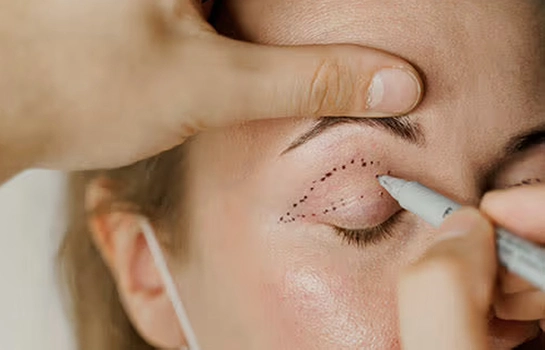
- Treatment of weak eye muscles with medication As you know, weak eye muscles are caused by abnormalities in the muscles and nervous system. The medications that doctors choose to use are divided into 3 groups: Neurotransmitter stimulant group, steroid group (It is a short-term solution for weak eye muscles and is only used in emergencies.) and immunosuppressant drugs (Used for severe weak eye muscles)
- Treatment of weak eye muscles with surgical removal of the eye muscles without external scars It is suitable for patients who can open their eyes on their own and still have strong muscles. The surgeon will perform the surgery from the inside of the eyelid. After the surgery, the result will be natural. This method will not leave any scars on the outer skin.
- Treatment of weak eye muscles with external incisional blepharoplasty This procedure is suitable for people with obvious drooping eyelids or those who also want to have double eyelid surgery. The doctor will make an incision in the skin around the eyelid to open up to the Levator muscle layer. The doctor will then cut the stretched or wrinkled Levator muscle and sew it up shorter. During the surgery, the doctor will have the patient try opening their eyes to find the appropriate level of tightness. Once the desired tightness is achieved, the doctor will sew the wound closed.
- Treatment of weak eye muscles with surgery to open the eye muscles using traction from the forehead This method is suitable for patients with severe eye muscle weakness, to the point where they have little strength to open their eyes. This condition is often caused by congenital eye muscle weakness. In this treatment, the doctor will use tendons from the thigh to create a strap to help lift the eyelids instead of using artificial materials.
- Treatment of weak eye muscles with Thermage FLX Eye It is a non-surgical technique for lifting and tightening the skin around the eyes and eyelids. The treatment involves the use of focused high-frequency radio waves (Focused RF) to penetrate the skin structure around the eyes. The heat stimulates the production of collagen and elastin.
- Treatment of ptosis with Upneeq® (Oxymetazoline 0.1%) This procedure is suitable for patients who cannot undergo surgery or as a temporary solution. Upneeq is an eye drop containing Oxymetazoline that stimulates alpha-adrenergic receptors in the Müller muscle to lift the eyelid by approximately 1-2 mm.
- Treatment of weak eye muscles with exercise This method is suitable for people who have initial symptoms, where the upper eyelid droops down and covers the pupil by more than 2-3 mm. This method will help relieve symptoms and strengthen the eye muscles, such as simple exercises by slowly rolling the eyes up and down, left and right, or focusing exercises by raising a finger or pen in front of the face and slowly moving it towards the nose until you see double, then moving it away. Finally, relax by rubbing both palms to create heat, then placing them over the eyes. This exercise will help the eyes and muscles around the eyes relax.
- Getting enough rest Overwork and lack of rest can cause eye muscles to become tired and your eyes to look sleepy all the time, which can worsen ptosis.
- Avoid rubbing your eyes vigorously. Rubbing your eyes too hard can cause the muscles that lift your eyelids to stretch and tear more quickly. If you have itchy eyes from allergies, you should consult a doctor for antihistamine eye drops.
- Reduce the wearing or removal of contact lenses severely. For people who wear contact lenses for long periods of time, this can lead to a high risk of eye muscle strain. Contact lenses should be inserted or removed gently.
- Avoid stressD Stress can trigger a flare-up of certain eye muscle conditions, such as Myasthenia Gravis.
- Annual health check Regular eye exams can help your ophthalmologist detect ptosis or other neurological or immune-related conditions that may be causing your symptoms.
Weak eye muscles, where is the best place to get treatment?
Weak eye muscles are characterized by the upper eyelid drooping more than normal, which is close to the eye. If treated by a doctor or medical facility that does not meet standards, it may cause severe side effects. Therefore, patients should choose to receive treatment at a medical facility that has the following characteristics:
- Clinics or medical facilities must have a medical facility license and a clear, verifiable 11-digit license number.
- The medical team must have specialized certifications in plastic and reconstructive ophthalmic surgery and must have experience in performing ptosis correction surgery specifically.
- Medical facilities must select standardized, clean equipment, or use genuine drugs to prevent side effects.
- The clinic or medical facility must perform a thorough examination to identify and determine the cause of the symptoms before providing treatment.
- The hospital and medical team must provide consultation services and be able to answer patients' questions correctly.
- For operating rooms used for treatment, they must be clean, sterile, and have adequate equipment to support emergencies.
- The clinic or treatment facility must provide detailed explanations before the procedure and how to care for yourself after the procedure. The medical team must also follow up on your symptoms after the procedure.
- The clinic or treatment facility must be located in a location that is convenient for travel.
- Clinics or medical facilities must have reviews from actual users, especially those who have used the services, especially those who have had weak eye muscles corrected, not just those who have had double eyelid surgery.
Weak eye muscles. Is this a dangerous symptom?
Normally, weak eye muscles are not life-threatening, but they can have serious health consequences if left untreated. These symptoms include vision problems due to drooping eyelids obscuring vision, resulting in blurred vision. Eye pain and headaches can also occur when raising, tilting, or tilting your head to improve vision or to help keep your eyes open for extended periods of time. This can cause fatigue and headaches in the muscles around your eyes and forehead. Furthermore, it can increase the risk of accidents, as poor vision increases the risk of accidents.